Home Authors Posts by Editor

Editor

Editor
338 POSTS 1 COMMENTS

Best Diamond Earrings for a White Dress

0
Best Diamond Earrings
Best Diamond Earrings for a White Dress

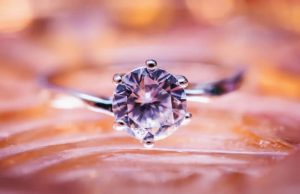
A white dress is a blank canvas with magic built in. It reflects light, brings out your skin’s undertone, and lets accessories do the talking. Diamond earrings are the most powerful punctuation you can add: they amplify glow, frame the face, and set the mood—from minimalist chic to red-carpet drama. This guide walks you through choosing the best diamond earrings for any white dress, covering style, size, cut, metal, neckline, hair, and occasion—so your look feels intentional, balanced, and unforgettable.

Why White Dresses and Diamonds Work So Well

White doesn’t compete; it enhances. That’s why diamonds look extra bright against a white backdrop—the metal flashes, the facets spark, and the silhouette stays crisp. The key is harmony: the more minimal the dress, the more freedom you have to go bold with earrings; the more ornate the dress, the more you should edit down to let texture and tailoring breathe. Think of it as a conversation: your dress sets the tone, your earrings deliver the one-line mic drop.

A Quick Refresher on Diamond Basics (for Earrings)

You don’t need a gemology degree, but a few practical pointers make selection faster and smarter.

  • Cut: Cut quality drives sparkle. Excellent or very good cuts throw clean, sharp light—exactly what you want near the face. Rounds are classic; ovals, pears, and marquise elongate; emerald and Asscher give sophisticated hall-of-mirrors flashes.
  • Color: Earrings get some grace because they’re not viewed directly against a white background all the time. Still, near a white dress, you’ll notice tint more. Aim for near-colorless grades that look icy without overspending.
  • Clarity: Tiny inclusions are harder to see in ears than in rings. Eye-clean stones are your sweet spot.
  • Carat: Don’t chase size alone. The pair should complement your features, hairstyle, and dress—balanced presence beats sheer volume.

The Core Styles and When to Wear Them

1) Diamond Studs: Effortless, Versatile, Always Right

If your white dress is tailored, minimal, or already beaded at the neckline, studs are perfection. Round or oval solitaires feel bridal-clean; princess cuts lean modern; emerald cuts are quietly luxe. Halo studs add presence without going heavy—great if you want extra sparkle that still reads refined.

Best with: high necks, boat necks, lace collars, detailed bodices, sharp blazers over slip dresses, sleek ponytails.

2) Diamond Drops: Movement that Feels Like Light

Drops introduce motion and length. A simple bezel-set teardrop, a line of graduated diamonds, or a delicate pear-shaped drop will soften structured dresses and elongate the neck. They’re elegant without stealing attention.

Best with: V-necks, sweetheart and off-shoulder necklines, slip dresses, bias-cut satin, waves or a low chignon.

3) Diamond Hoops: Modern, Polished, Photogenic

Huggie hoops with pavé are a day-to-night hero; medium hoops with inside-out diamonds add 360° sparkle that photographs beautifully. Choose slim profiles for minimal looks or chunkier silhouettes for fashion-forward white suits and shirt-dresses.

Best with: shirt dresses, white tuxedo suits, minimalist sheaths, beachy linen, glossy blowouts, or slick buns.

4) Clusters and Floral Motifs: Soft Focus Glow

Clusters scatter light like tiny constellations. Floral studs or starbursts feel feminine and upscale without feeling “bridal only.” Perfect for lace or broderie dresses, daytime ceremonies, and garden parties.

Best with: lace, eyelet, chiffon, ruffles, soft curls, pastel makeup.

5) Chandelier Earrings: Statement and Ceremony

Chandeliers are the showstoppers—tiers of diamonds, intricate geometry, maximal glow. Keep other jewelry quiet and the neckline open so the earrings can float.

Best with: strapless and off-shoulder gowns, plunging necklines, sleek buns, minimal necklace, or none at all.

6) Ear Climbers and Cuffs: Editorial and Sleek

Diamond climbers trace the ear for an edge that still feels dressy. Pair with slim, architectural white dresses or jumpsuits.

Best with: asymmetric necklines, halter gowns, slicked hair, strong liner.

Best Diamond Earrings for a White Dress

Matching Earrings to Your Dress Neckline

  • High Neck / Mock Neck / Boat Neck: Choose studs or small huggies to avoid crowding. A delicate halo stud keeps light up top without fighting the fabric.
  • V-Neck / Plunge: Use drops or slim chandeliers to mirror the V shape and draw the eye down the neckline.
  • Sweetheart / Off-Shoulder: Pear drops, modest chandeliers, or medium hoops balance exposed shoulders beautifully.
  • Strapless: You can go either way—bold chandeliers for drama or major studs for a clean, sculptural look.
  • Halter: Keep the profile vertical and refined—linear drops or ear climbers that don’t swing too wide.

Consider the Fabric, Texture, and Finish

  • Satin / Silk: High-shine fabric calls for crisp, high-brilliance cuts—round, oval, or emerald. Avoid overly busy shapes if the dress already has beams.
  • Crepe / Matte: This finish welcomes more intricate earrings. Pavé detail, micro-halos, and delicate clusters pop against matte fabric.
  • Lace / Embroidery: Edit down. Choose studs, petite drops, or floral clusters that echo the motif without adding bulk.
  • Beading / Sequins: Let the dress lead. Clean studs or slim drops create balance and keep the look cohesive.

Metal Color and the “Shade” of White

White isn’t just white. It can skew cool, warm, or neutral. Match metal to undertone:

  • Bright White / Cool White: Platinum or white gold enhances icing-on-glass sparkle.
  • Ivory / Cream: Yellow gold brings warmth and depth; rose gold adds a romantic glow.
  • Diamond White / Neutral White: You have range; pick the metal that best complements your skin tone or wedding bands.

If you mix metals elsewhere (rings, bracelets), echo the dominant tone in your earrings for cohesion.

Earrings and Hair: Framing the Face

  • Updo (bun, chignon, French twist): The ear is fully on display—go for drops, chandeliers, or bold studs. This is the most forgiving canvas for statement pieces.
  • Half-Up / Loose Waves: Choose pieces with movement and a bit of length—drops read through waves better than tiny studs.
  • Short Hair / Pixie: Studs or huggies look ultra-chic; climbers add fashion edge; small chandeliers can feel like wearable sculpture.
  • Sleek Ponytail: Linear drops or hoops keep the line clean and intentional.

Face Shape Guide (Keep It Soft, Not Strict)

Use these as gentle guidelines, not rules:

  • Round Face: Vertical emphasis elongates—pears, ovals, linear drops.
  • Square Face: Soften angles with rounded shapes—round studs, halos, delicate clusters.
  • Heart-Shaped Face: Balance a wider forehead and narrower chin with teardrops or modest chandeliers that add weight below the cheekbones.
  • Oval Face: Lucky you—nearly everything works; choose based on neckline and vibe.

Carat Size and Proportion

Context matters. The farther from the eye, the more size you can carry; near the face, even modest carat weights read larger.

  • Studs for Day / Minimalist Looks: Classic solitaires around a half-carat total weight to one carat total weight look refined and bright. Halos can make them read a size larger.
  • Evening / Statement: Step up scale with drops, chandeliers, or inside-out hoops. Remember weight and comfort—secure backs and balanced designs keep them wearable through photos, dinner, and dancing.

Setting Choices That Elevate the Look

  • Four-Prong Solitaire: Maximum light, minimal metal—timeless with a clean white dress.
  • Bezel: Sleek and secure; the metal rim creates a modern outline and can add contrast if you choose yellow or rose gold.
  • Halo: Adds presence without heavy mass; looks especially brilliant in cool-toned metals with a bright-white dress.
  • Pavé / Micro-Pavé: A fine dusting of sparkle. Ideal for hoops and slim drops where continuous scintillation matters.
  • Art Deco / Geometric: Emerald cuts, baguettes, and step-cut arrangements read couture against minimalist gowns.

Occasion-Based Pairing Ideas

Bridal Classic

A structured white satin gown with a clean neckline, loves round brilliant studs in platinum or a delicate pear-drop in white gold. Keep the necklace minimal or skip it; let earrings and veil (if any) build the light story.

Modern City Ceremony

A white slip dress, barely-there makeup, and slick hair pair beautifully with inside-out diamond hoops or emerald-cut studs for architectural clarity.

Garden Party or Daytime Event

A white lace dress sings with floral cluster studs or petite marquise-and-round clusters that echo the pattern without stacking bulk.

Black-Tie Evening

A sculptural strapless gown plus cascading diamond chandeliers is the archetype of high drama. Balance with a simple bracelet and bare neckline.

White Suit or Jumpsuit

Pavé huggies or ear climbers telegraph editorial polish. If you want scale, opt for mid-size hoops—strong, not flashy.

Shine bright with the best diamond earrings that enhance any white dress. Find your perfect pair for unforgettable elegance and style!

Elgrissy Diamonds' exclusive jewelry rental program

Jewelry Rentals: A Growing Trend

This innovative concept makes luxurious pieces accessible to everyone, ensuring that no one misses out on the opportunity to shine.

Coordinating with Other Jewelry

  • Necklaces: If your earrings are the statement, keep necklaces minimal or skip entirely—especially with high necklines or heavy lace. With studs or small drops, a delicate pendant or tennis line works.
  • Bracelets: A slim tennis bracelet or clean cuff balances chandelier earrings without crowding your portrait area.
  • Rings: Echo metal color and overall vibe. If your ring set is yellow gold, consider yellow-gold bezels or halos in your earrings to tie the story together.

Lab-Grown vs. Natural Diamonds (Style-First View)

Both sparkle in a white-dress moment. Lab-grown can offer larger looks for the budget; natural has traditional romance and long-term rarity. For styling, what matters most is cut quality and the design you love. Pick the pair that makes you feel like you.

Practical Comfort: Backs, Weight, and Security

  • Earring Backs: Screw backs and secure push backs keep studs anchored. For heavier earrings, larger friction backs distribute weight.
  • Balance: Well-designed drops and chandeliers hang straight and don’t pull. Try them on and move—turn, smile, tilt your head. They should feel present, not precarious.
  • Sensitivity: If your ears are sensitive, choose hypoallergenic posts (platinum or well-made gold posts) and avoid excessive nickel.

Make It Photo-Ready

Cameras love facets. Anything near your face will register. A few on-point tips:

  • Match sheen to finish: Bright white satin + crisp solitaires; matte crepe + pavé texture; lace + floral studs.
  • Hair test: If wearing hair down, ensure your drop length clears the hairline so sparkle peeks through in motion.
  • Lighting: Evening events benefit from pavé or inside-out hoops that catch low light. Day events favor clean cuts that pop in natural light.

Care, Cleaning, and Last-Minute Prep

  • Clean the day before: A quick soak in a gentle solution and a soft brush will revive brilliance. Rinse thoroughly and pat dry.
  • Pack a polishing cloth: A fast touch-up before photos removes fingerprints and hairspray.
  • Store smart: Separate pouches or slots so stones don’t scratch each other. Keep backs attached when you store them so you’re not scrambling.

Curated Pairing Scenarios

  • Minimalist Column Dress + Sleek Bun: Emerald-cut studs or slim baguette drops in platinum. The geometry mirrors the dress; the cool metal amplifies the glass-like shine.
  • Ivory Lace A-Line + Soft Waves: Floral cluster studs in yellow gold. The warmth flatters cream tones; clusters echo lace without clutter.
  • White Halter Jumpsuit + Cat-Eye Liner: Diamond ear climbers that trace the ear, or mid-size pavé hoops. Editorial, strong, balanced by the halter’s clean lines.
  • Satin Sweetheart Gown + Bare Neck: Pear-shaped diamond drops or micro-chandeliers. The taper of a pear drop mirrors the neckline’s swoop and elongates the neck.
  • Beachy White Linen Midi + Sun-Kissed Skin: Huggie hoops with pavé for easy, secure sparkle that reads chic in sunlight and doesn’t feel overdressed.

Common Mistakes and Easy Fixes

  • Over-accessorizing: White dresses highlight everything. If the bodice is ornate, skip the chandelier and choose halo studs.
  • Mismatched Metal: If your rings and bracelet are yellow gold, white-gold earrings can feel disconnected. Choose warm-toned metal or a mixed-metal design done intentionally.
  • Length Clash: Drops that hit your collar or straps fight the dress. Check the drop against your neckline while standing naturally.
  • Weight Fatigue: Heavy earrings can tug by mid-event. If you crave scale, try hollow designs, open filigree, or pavé set on airy frames.

Final Selection Strategy (A 60-Second Checklist)

  1. Neckline first: Open neckline = freedom for drop or chandelier. High or detailed neckline = studs or huggies.
  2. Fabric finish: Shiny fabric → crisp solitaires or geometric cuts. Matte/lace → pavé, clusters, halos.
  3. Metal harmony: Match the dress undertone and your other jewelry.
  4. Hair plan: Updo invites drama; loose hair likes defined drops or standout studs.
  5. Comfort check: Secure backs, balanced weight, no tugging.
  6. Mirror test: Step back three meters—do the earrings frame your face and support the dress, not compete with it?

The Bottom Line

The best diamond earrings for a white dress are the pair that completes the picture you already have in mind. For clean minimalism, choose excellent-cut studs or sleek drops in a metal that matches the dress’s undertone. For romance, try floral clusters or pear-shaped drops that sway with movement. For high drama, let chandeliers take the stage and keep everything else intentionally quiet. When cut quality, proportion, and harmony with your dress line up, diamonds don’t just sparkle—they tell your story in light.

Photo by Jonathan Borba on Unsplash

Jewellery & Gem ASEAN Bangkok (JGAB) 2026

0
Jewellery & Gem ASEAN Bangkok (JGAB) 2026

Jewellery & Gem ASEAN Bangkok (JGAB) 2026
Returns as the Ultimate ASEAN Jewellery & Gemstone Sourcing Hub

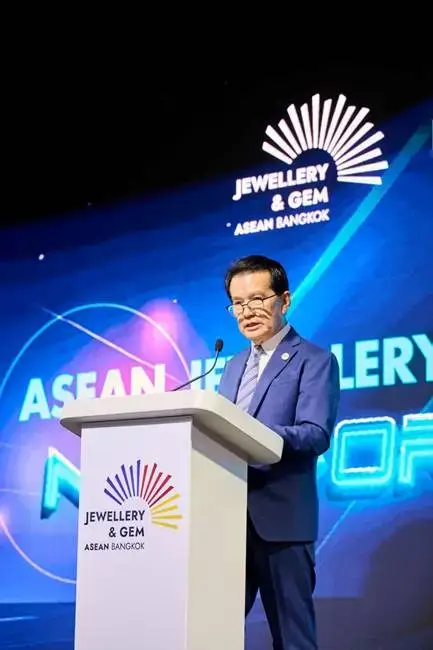
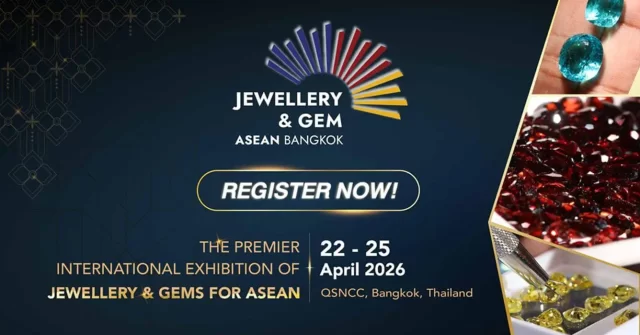
Jewellery & Gem ASEAN Bangkok (JGAB), the premier B2B jewellery and gemstone sourcing event in Southeast Asia, is set to return from 22–25 April 2026 at the Queen Sirikit National Convention Center (QSNCC) with a renewed mission to redefine the ASEAN jewellery sourcing experience.

Organized by Informa Markets, JGAB has established itself as the region’s most influential business platform, connecting international buyers with ASEAN’s finest jewelry and gemstone suppliers. Following the strong success of the 2025 edition, which welcomed over 10,000 trade visitors from 84 countries, the 2026 fair will continue to strengthen Bangkok’s position as the gateway to ASEAN’s vibrant jewelry trade.

The 2026 edition is expected to welcome more than 350 exhibitors from 15 countries, presenting an extensive product range across six key categories: Fine Jewellery, Silver, Gemstones, Diamonds, Lab-Grown Diamonds, and Tools & Equipment. Spanning over 17,000 sqm, JGAB 2026 will offer buyers and sellers unparalleled opportunities to explore exquisite collections, discover the latest market trends, and forge meaningful business partnerships.

Jewellery & Gem ASEAN Bangkok 2026
Jewellery & Gem ASEAN Bangkok (JGAB) 2026

New highlights for 2026 include curated trend showcases, expert-led seminars, and the prestigious Goldsmith Craftsmanship Competition 2026, held under the theme “The Secret of Thai Legacy.” This special feature celebrates Thailand’s exceptional artisans, blending traditional techniques with modern creativity to showcase the country’s rich craftsmanship on the global stage.

We are proud to position JGAB as the definitive meeting destination for the jewellery and gemstone industry across ASEAN — creating a dynamic platform where professionals connect, share expertise, and forge business relationships that strengthen our regional community,” said Mr. Sanchai Noombunnam, Country General Manager of Informa Markets – Thailand.

We believe JGAB will establish itself as the strongest sourcing hub for ASEAN jewellery, bringing together the region’s finest suppliers and manufacturers to connect with the world. JGAB serves as our showcase to the global market, highlighting the exceptional quality and craftsmanship that define Thailand and ASEAN as key sourcing destinations in the international jewelry trade.

Thailand’s jewelry and gemstone industry continues to demonstrate impressive growth momentum.

According to data from The Gem and Jewelry Institute of Thailand (Public Organization) released in October 2025, Thailand’s gem and jewelry exports between January and August 2025 totalled US$17,736.07 million, an increase of 70.07% compared to the same period in 2024, ranking as the country’s third-largest export category, accounting for 7.95% of total exports. When excluding unwrought gold exports, genuine gem and jewelry exports reached US$9,002.68 million, a 55.89% increase, while August 2025 exports alone amounted to US$1,927.62 million, reflecting the sector’s continued global competitiveness.

With this positive momentum, JGAB 2026 is poised to serve as a key international platform that highlights the strength and potential of Thailand and ASEAN’s jewellery and gemstone industry.

More than just a trade fair, JGAB 2026 represents the beating heart of ASEAN’s jewelry community — where craftsmanship meets innovation and where connections spark limitless possibilities.

The fair will take place from 22–25 April 2026 at the Queen Sirikit National Convention Center (QSNCC) in Bangkok, Thailand.

Stay updated with the latest news and event details at www.jewellerygemaseanbkk.com.

Source: Informa Markets

Discover the Most Iconic Jewelry Stores in Paris

0
Most Iconic Jewelry Stores in Paris
Discover the Most Iconic Jewelry Stores in Paris

Discover the Most Iconic Jewelry Stores in Paris

Paris isn’t just the French capital; it’s the fashion one as well. When it comes to luxury jewelry, the City of Light truly sparkles. From historic maisons that have adorned royalty for centuries to contemporary designers redefining modern glamour, Paris is a hub of fine jewelry shopping.

Charm, elegance, and heritage characterize the city’s famous districts. They invite shoppers to explore a world where artistry meets opulence. Whether wandering through the legendary Place Vendôme, exploring the refined boutiques of Rue de la Paix, or discovering avant-garde creations in Le Marais, fine jewelry shopping in Paris is a cultural experience. It’s an opportunity to immerse yourself in luxury. Whatever you are searching for, the following shopping locations should be at the top of your list.

Place Vendôme

You can’t discuss Parisian jewelry culture without Place Vendôme coming up. Located in the 1st arrondissement, the square hosts various jewelry boutiques. Place Vendôme has a significant part of jewelry history in the French capital. Originally famous for the biggest fashion houses, the square is now lined with some of the most exclusive jewelry stores in Paris. The grand boutiques offer exclusive collections, where you can find unique pieces. If you are shopping for watches, the square has several stores you can visit. Aside from big-name brands, Place Vendôme offers some contemporary options such as Lorenz Bäumer.

Part of the appeal of visiting the location is that it’s more than a shopping district; it’s an attraction. Its architecture consists of uniform facades that are designed to give the square an octagonal shape. Built in 1698 by Louis XVI, Place Vendôme has a rich history that attracts visitors. So, while shopping for jewelry, you can learn about some of the maisons that date back to the 18th century.

Rue de la Paix

With Place Vendôme as its starting point, Rue de la Paix is one of the city’s fashion centers. It sits in the 2nd arrondissement and is famous for luxury jewelry. As with most locations in Paris, Rue de la Paix has a rich heritage. It was constructed on the order of Napoleon I and has been home to notable fashion houses since the late 1890s. The street is famous for luxury and elegance. Over time, the location made a name for itself as the go-to for fine jewelry in Paris.

Whether you want a diamond necklace, a watch, or a statement accessory, you can be sure of finding something suitable on Rue de la Paix. The street has boutiques that cater to custom orders and commissions. Thus, if you want to leave Paris with a piece that reminds you of your experience while matching your specific needs, pop into one of the workshops on this street. Rue de la Paix is where glamour lives.

Le Marais

Luxury takes many forms, and no better district reflects that than Le Marais. One of the trendiest shopping districts in the French capital, Le Marais is in the 3rd and 4th arrondissements. It’s an art and cultural center that gives visitors the best of handcrafted goods. If your jewelry tastes lean towards vintage and artisan, then go to Le Marais. Here, you will find a mix of independent jewelers and contemporary designers. Therefore, the options tend to be trendy and chic. Le Marais caters to shoppers who prioritize creativity over tradition.

Expect to see experimental designs that push boundaries. From avant-garde creations to minimalist pieces, the stores in Le Marais span a broad creative sphere. It’s the perfect place to see what Paris offers beyond the classics in fine jewelry.

The Difference Between Fashion and Fine Jewellery

The Difference Between Fashion and Fine Jewellery?

You don’t need to be a jewellery expert to be able to tell these two differences. The materials also have an impact on the price. As you can imagine, if fake gold is being used instead of real gold, that jewellery piece is going to be much cheaper. 

Avenue Montaigne and the Golden Triangle

Triangle d’Or, or the Golden Triangle, is part of Paris’ luxury epicenter. It’s made up of Avenue Montaigne, Avenue George V, and Champs-Élysées. The area houses a number of haute couture brands. You can visit flagship stores for exclusive collections of watches, jewelry and other accessories. If you have the time, you can squeeze in a history lesson and learn how some of the biggest names in fashion came about. Avenue Montaigne is particularly inviting if you need more than just earrings.

Boutiques in the area carry everything from leather goods to fragrances. So, you don’t have to look too far for a lifestyle shopping adventure. Customization is an option at some of the stores, allowing you to leave Paris with bespoke pieces. The vastness of the Golden Triangle makes it easy to store to a variety of tastes. While exploring jewelry stores, visit some of the other luxury offerings in the area, including galleries and Michelin-starred restaurants.

Paris sets the standards for fine jewelry. It delivers timeless beauty from some of the biggest names in fashion. Several districts provide shoppers with unrivaled experiences, courtesy of their refined boutiques. From antique pieces to modern creations, you can find luxury jewelry in all forms in Paris.

Photo by Pascal Bernardon on Unsplash

Top 20th Century Jewelry Icons: Diana, Taylor & More

0
Jewelry icons

The Biggest Jewelry Icons of The 20th Century

The 20th century transformed the jewelry industry with innovative techniques and iconic designs. After World War I, a desire for change sparked bold new styles, amplified by mass media and the rise of legendary figures. From Princess Diana’s sapphire engagement ring to Audrey Hepburn’s iconic pearl necklace, these jewelry icons defined elegance and inspired generations. Explore the stunning collections of the 20th century’s most influential women, whose timeless pieces continue to captivate.

Over the 20th century, the jewellery industry completely transformed as new techniques were developed. Following World War 1, particularly, everyone was ready for change and something new, which was heavily reflected in jewelry design. With the increase in mass media and reporting came iconic stars, some of whom became known for their lavish and stunning jewelry collections. Here are a few of the biggest jewelry icons of the 20th century whose legacy of showcasing new and interesting jewellery styles lives on!

Princess Diana: A 20th Century Jewelry Icon

Princess Diana had a breathtaking jewellery collection, resulting in endless amounts of replicas being created over the last couple of decades. From stunning pearl necklaces and striking tiaras to drop earrings and headpieces, most people were envious of her fashion sense and accessories. Of course, Princess Diana was known and loved for so much more than that, which is likely why her pieces became so well-known.

One of the most famous pieces of jewellery that Diana owned was her sapphire and diamond engagement ring. It has been valued at around £300,000 and was passed onto Prince William after Diana passed, with blue sapphire jewelry becoming exceptionally popular as a result of how loved the princess and her style were loved. Princess Kate Middleton now proudly wears the vintage engagement ring after Prince William proposed to her in 2010. Many of Diana’s pieces are now worn by Kate, so her iconic jewellery legacy lives on.

Jackie Kennedy

Another significant jewellery icon of the 20th century was Jackie Kennedy. She is known as one of the most fashion-forward first ladies in history, with her jewellery collection helping to contribute to this reputation. Every piece of jewellery she wore oozed elegance, particularly her stunning emerald and natural diamond engagement ring given to her by John Kennedy. The ring featured a 2.88-carat diamond and a 2.84-carat emerald.

Her second husband, Aristotle Onassis, gave her a 40-carat diamond ring. After she passed away, it was sold at auction for $2.59 million. Jackie’s birthstone was ruby, so she often received gifts featuring rubies that became an iconic part of her collection.

Jewellery icons
20th Century Jewelry Icons

Elizabeth Taylor

Elizabeth Taylor had a spectacular jewellery collection thanks to her iconic career as a classical Hollywood actress in the 1950s. From rings to necklaces and bracelets to brooches, every piece of jewellery worn by the actress was breathtaking. However, she was most well-known for her 10 iconic engagement rings.

One of her most impressive engagement rings was given to her by Mike Todd when she was 24 years old. The emerald-cut diamond ring was stunning; however, sadly, the marriage ended when Todd died in a plane accident just a year after they married.

Taylor went on to marry Richard Burton twice; however, he never actually gave her an ‘engagement ring.’ Instead, he regularly gifted her expensive pieces of jewellery, including a 32-carat Burmese sapphire pendant. She also received the famous Krupp diamond, which was renamed the Taylor-Burton diamond, which is now worth a staggering $10 million.

Throughout her lifetime, she wore beautiful jewellery that will mean she is forever remembered as a jewellery icon, alongside her many other achievements. Her collection of vintage jewellery will always be admired.

Grace Kelly

Grace Kelly is one of the most iconic American actresses of the golden era of Hollywood. Starring in many notable films, including Alfred Hitchcock’s Rear Window and Dial M For Murder, To Catch A Thief, and High Society. Her beauty and character simply shone, being renowned for being a passionate, strong, and well-educated woman who people simply adored. She wore a whole host of beautiful jewellery in her films; however, things took a turn when she became a real-life princess, marrying Prince Rainier of Monaco.

From here, she became the face of Hermes and was constantly adorned in extraordinary jewellery. From her Cartier emerald-cut engagement ring to the iconic Van Cleef & Arpels diamond tiara she wore to her daughter’s wedding, her collection was truly beautiful. She also loved pearls, claiming them as the queen of gems. Grace Kelly very sadly died from injuries she sustained in a car crash in Monaco; however, her love for jewellery lives on through her family.

Audrey Hepburn

Now, a story about the biggest jewellery icons of the 20th century simply wouldn’t be complete without a mention of Audrey Hepburn and, specifically, her iconic diamond and pearl necklace worn in Breakfast at Tiffany’s. This piece inspired designs for decades to come, with iconic designers such as Vivienne Westwood taking their spin on the piece, which quickly became a cult classic. The elegance, sophistication, and playful rebellion embodied in her character are perfectly captured in this beautiful piece of jewelry. Simply iconic, this piece was one of the main reasons that pearls were really brought into the mainstream, whether as costume jewellery or the real deal.

Photo by cottonbro studio

Is Buying a Rolex a Good Investment? 

0
Rolex Good Investment
Is Buying a Rolex a Good Investment?

Is Buying a Rolex a Good Investment?
Analysis of Value Retention and Market Trends

Buying a Rolex can indeed be a good investment, but it’s not as straightforward as purchasing shares or property.

Rolex watches generally hold their value better than many other luxury watch brands, with some models even appreciating over time. However, this appreciation isn’t guaranteed and depends on several critical factors, including the specific model, market conditions, and your purchase price.

The investment potential varies significantly across the Rolex range. Models with limited production runs or discontinued pieces often see the greatest value increase. Paying retail price (MSRP) is crucial for maximizing potential returns, though this has become increasingly difficult as authorized dealers maintain lengthy waiting lists for popular models.

When considering a Rolex as an investment, it’s important to approach it with proper research. Unlike traditional investments, watches require proper storage, insurance, and maintenance. The collectability factor plays a significant role in determining future value, with vintage models and special editions typically performing better in the secondary market.

Key Takeaways

  • Rolex watches typically retain value better than other luxury timepieces, but appreciation depends on model rarity and purchase price.
  • Securing watches at retail price rather than grey market premiums significantly improves investment potential.
  • Proper research, storage, and maintenance are essential for preserving Rolex’s long-term value.
Buying a Rolex
Is Buying a Rolex a Good Investment?

Understanding the Rolex Brand

Rolex has established itself as the epitome of luxury watchmaking through decades of innovation and meticulous craftsmanship. The brand’s reputation for quality and its distinctive market positioning contributes significantly to why many consider these timepieces potential stores of value.

History and Reputation

Rolex began its journey in 1905 when Hans Wilsdorf founded the company in London. The brand pioneered several watchmaking innovations, including the first waterproof wristwatch—the Oyster—in 1926. This groundbreaking design cemented Rolex’s reputation for durability and precision.

Through the 20th century, Rolex watches accompanied explorers to the highest mountains and deepest oceans. Sir Edmund Hillary wore a Rolex during his historic Mount Everest expedition. These associations with achievement and adventure helped build the prestige and heritage that define the brand today.

Rolex maintains strict quality control standards, producing approximately one million watches annually. Each timepiece undergoes rigorous testing before leaving the factory, ensuring exceptional reliability and longevity that supports its value retention.

Brand Recognition and Value

According to The Watch Prince, Rolex possesses unparalleled global recognition amongst luxury brands. The crown logo is instantly identifiable worldwide, representing status and accomplishment. This universal recognition plays a crucial role in maintaining demand and value.

The brand’s strategic limited production approach creates a scarcity effect for specific models. Popular watches like the Submariner and Daytona often have waiting lists at authorized dealers, driving secondary market prices higher than retail values.

Key factors contributing to Rolex’s enduring value:

Factor

Impact on Value

Design consistency

A timeless aesthetic that doesn’t quickly become outdated

Materials quality

Use of 904L steel and proprietary gold alloys

Limited supply

Controlled production creates market demand

Heritage

Rich history adding emotional and cultural significance

Rolex has maintained its exclusive image by refusing to dilute its product line with lower-priced offerings. This consistency in brand positioning helps protect the value of existing watches in the market.

The Financial Perspective of Investing in Watches

Luxury watches represent a unique category in the investment world, offering both personal enjoyment and potential financial returns. Their value dynamics differ significantly from traditional financial instruments.

Luxury Watches as Alternative Investments

Rolex timepieces stand out as particularly notable assets in the luxury watch market. Unlike stocks or bonds, these watches provide dual utility – they can be worn and appreciated while potentially appreciating. This tangible nature offers a psychological advantage over purely financial assets.

Many collectors find that certain models maintain value better than others. Limited editions and discontinued lines often see the most significant price increases over time.

The entry barrier for quality watch investments typically starts around £5,000 for established brands like Rolex. Higher-end models may require £10,000-£30,000 of initial capital.

When compared to traditional investment vehicles, watches offer diversification benefits but lack dividend payments or interest accumulation. Their value derives entirely from market demand and collector interest.

Financial Investment Strategies

Successful watch investing requires thorough research and market understanding. Focus on brands with proven track records of value retention such as Rolex, Patek Philippe, and Audemars Piguet.

Consider these strategic approaches:

Strategy

Description

Potential Return

Buy and Hold

Purchase classic models for long-term appreciation

5-8% annually

Vintage Collection

Focus on rare, historical pieces

Variable, potentially higher

New Release Flipping

Purchase limited editions to resell quickly

Can exceed 20% but higher risk

Authentication and condition preservation are crucial. Professional servicing, original packaging, and documentation significantly impact resale value.

Keep watches in proper storage conditions and maintain service records. These details can mean thousands of pounds difference when selling.

Market Value Trends

The luxury watch market has shown remarkable resilience during economic downturns. While not immune to recessions, prestigious brands like Rolex often maintain value better than other luxury goods.

Recent years have seen unprecedented growth in certain segments. The pandemic period (2020-2022) witnessed substantial price increases for popular models, though this trend has moderated in 2023-2024.

Supply chain disruptions and increased global wealth have contributed to price appreciation. Waiting lists for new Rolex models frequently extend beyond a year, driving premium prices in secondary markets.

Digital platforms have expanded market accessibility while improving price transparency. Online auction houses and specialist dealers have made information more readily available to potential buyers.

Demographic shifts indicate younger collectors entering the market, potentially supporting long-term demand. This newer audience often values different attributes than traditional collectors, affecting which models may appreciate most significantly.

Rolex Models and Their Investment Potential

Not all Rolex watches offer the same return on purchase. Certain models have consistently demonstrated superior value retention and appreciation over time, while others might simply hold their value without significant growth.

Popular Models and Limited Editions

The Submariner and Daytona consistently rank among Rolex’s most coveted timepieces for collectors. The Submariner, particularly in stainless steel, maintains excellent market value due to its iconic design and practical functionality.

The Daytona has witnessed remarkable price increases, especially after the 2016 steel model release with a ceramic bezel. Limited production numbers create natural scarcity that drives up prices.

GMT-Master II models, particularly the “Pepsi” and “Batman” versions with their distinctive bezels, command substantial premiums on the secondary market.

Special editions and discontinued models often see the most dramatic price increases. The Hulk Submariner (ref. 116610LV), discontinued in 2020, has nearly doubled in value since production ended.

Model

Retail Price (approx)

Secondary Market Premium

Daytona Steel

£13,150

80-120%

Submariner Date

£8,500

30-50%

GMT-Master II

£9,000

40-70%

Day-Date 40

£35,000

5-15%

Resale Value and Appreciation

Rolex watches generally retain 70-100% of their retail value, with many models appreciating significantly. Steel sports models have demonstrated the strongest performance, often selling well above retail prices on the secondary market.

The waiting lists at authorized dealers further contribute to market premiums. Professional models like the Explorer, Sea-Dweller, and Sky-Dweller have seen consistent value growth over the past decade.

Precious metal Rolexes typically experience slower appreciation than their steel counterparts but maintain stability during market fluctuations. Vintage Rolexes from the 1950s-1970s have become significant investment pieces, with rare examples fetching six-figure sums at auction.

Material scarcity plays a crucial role in determining long-term value. Models with unusual dials, rare complications, or limited production runs tend to appreciate more rapidly than standard variants.

Case Studies of Notable Sales

A Paul Newman Daytona sold for £13.5 million in 2017, making it the most expensive wristwatch ever sold at auction at that time. While this represents an extreme case, it demonstrates the potential ceiling for truly exceptional pieces.

The Rolex Submariner ref. 6538, famously worn by Sean Connery in early James Bond films, has seen values increase from around £8,000 in the early 2000s to well over £250,000 for pristine examples today.

Limited anniversary models show substantial growth patterns. The 50th Anniversary Submariner (16610LV “Kermit”) released in 2003 at £3,000 now regularly sells for £15,000-£20,000.

Military-issued Rolexes with provenance command extraordinary premiums. British Royal Navy-issued Submariners from the 1970s have sold for ten times the value of their civilian counterparts.

Recent market corrections have affected some models, but historically, Rolex prices have recovered and continued upward trends over longer periods. This resilience reinforces their position as relatively stable luxury assets.

Considerations for Prospective Rolex Investors

Buying a Rolex requires careful evaluation of several key factors to ensure your purchase has the potential for long-term value retention or appreciation.

Determining Authenticity and Quality

Provenance matters significantly when acquiring a Rolex. Always purchase from authorized dealers or highly reputable secondary market sellers with proper documentation. The box and papers that accompany a genuine Rolex significantly impact its future value and resale potential.

Serial numbers should be checked against Rolex databases. Professional/Sport models like the Submariner, Daytona and GMT-Master II typically hold their value best, as confirmed by market trends.

Consider the model rarity carefully. Limited production pieces or discontinued models often appreciate more substantially than common variants.

Examine the dial condition, bezel integrity, and bracelet stretch before purchase. Even minor flaws can dramatically reduce value.

Model Type

Value Retention Potential

Professional/Sports

Excellent

Classic Dress

Good

Ladies’ Models

Variable

Maintenance and Upkeep Costs

Rolex ownership carries ongoing financial responsibilities beyond the initial purchase. A proper service from Rolex typically costs £500-£900 and should be performed every 7-10 years to maintain optimal condition.

Water resistance testing is recommended annually for diving models, adding approximately £50-£100 to yearly upkeep.

Insurance premiums represent another recurring expense. Most specialized insurance for luxury timepieces costs 1-2% of the watch’s value annually.

Improper storage can damage your investment. Invest in a quality watch winder (£200-£500) to maintain automatic movements when not worn regularly.

Polishing decisions require careful consideration. While it improves appearance, excessive polishing can remove metal and potentially decrease collector value, particularly for vintage pieces.

Comparing Rolex to Other Investment Avenues

When considering a Rolex as an investment, it’s valuable to understand how these timepieces perform relative to other options available to protect and grow your wealth.

Traditional Financial Instruments

Rolex watches function differently from stocks, bonds, and index funds. While traditional investments typically offer dividends or interest, watches provide no passive income. The Rolex market shows less volatility than cryptocurrencies or stocks but also lacks the potential for explosive growth.

Historical data indicates that select Rolex models have appreciated 5-8% annually, outperforming inflation but underperforming the long-term stock market average of 10%. Unlike financial instruments, watches require insurance, storage, and occasional servicing that eat into returns.

The tangibility of a Rolex offers psychological benefits during market turbulence. You can wear and enjoy your investment, which provides utility beyond potential monetary gain.

Other Luxury Brands and Assets

Among luxury watches, Rolex holds value better than most competitors. Patek Philippe and Audemars Piguet sometimes outperform Rolex, but typically have higher entry costs and less liquid markets.

Compared to other collectibles:

Asset Type

Avg. Annual Return

Liquidity

Maintenance Costs

Rolex

5-8%

Moderate

Moderate

Fine Art

7-10%

Low

Low to Moderate

Classic Cars

5-15%

Low

High

Wine

10-13%

Low

High (storage)

Sports models like the Submariner and Daytona typically retain value better than dress watches. Unlike property, Rolexes require no tenants or maintenance headaches but lack the leverage options real estate offers.

The compact size of watches makes them more practical to store than most collectibles, though they lack the utility of property or dividend-producing assets.

Collectibility and the Rolex Collector’s Market

Rolex watches represent more than timekeeping devices; they have become highly sought-after collectibles with a substantial market value that often appreciates over time. The most coveted models consistently demonstrate their capacity to outperform traditional assets.

Understanding Collector Demand

Collector demand for Rolex watches stems from several key factors. Rarity and limited production significantly influence a model’s desirability and subsequent value. Vintage Daytonas and Submariners from specific decades command premium prices due to their scarcity and historical significance.

Production variations create unique collecting opportunities. Models with:

  • Dial variations: Special color schemes or typography changes
  • Case materials: Limited editions in precious metals
  • Historical significance: Watches worn by celebrities or featured in films

The secondary market for Rolexes has developed sophisticated networks of dealers, auction houses, and online marketplaces where collectors trade timepieces. This robust ecosystem provides multiple avenues for buying and selling, contributing to price stability and authentication.

Watch Collecting as a Hobby

Watch collecting offers personal satisfaction beyond potential financial returns. Many collectors begin with a single Rolex purchase that develops into a passionate hobby centered on an appreciation for horology and craftsmanship.

The social aspect of watch collecting creates vibrant communities where aficionados share knowledge and experiences. Watch forums, collector groups, and horological events connect Rolex owners worldwide, fostering camaraderie around shared interests.

Building a collection requires:

Collecting Strategy

Approach

Model diversity

Acquiring different iconic references (Submariner, Datejust, GMT)

Era specialisation

Focusing on specific decades of production

Condition priority

Emphasizing original components and documentation

Collectors often develop personal relationships with authorized dealers, independent shops, and other collectors. These connections provide access to rare pieces before they reach the broader market.

Risks and Rewards of Rolex Investment

Investing in a Rolex watch involves balancing potential financial gains against several notable drawbacks. While these luxury timepieces can retain value over time, buyers must understand the market dynamics and maintenance requirements.

Evaluating Risk Factors

High initial cost requires significant capital outlay that could otherwise generate returns elsewhere. Most new Rolex watches purchased from authorized dealers will initially depreciate, contradicting the common belief that all Rolexes immediately appreciate.

The counterfeit market presents a serious concern for buyers. Without proper authentication expertise, one might unknowingly purchase a fake, resulting in complete financial loss.

The limited availability of popular models creates another challenge. Many desirable Rolexes have multi-year waiting lists, forcing buyers to consider grey market options at premium prices.

Maintenance expenses should not be underestimated. Proper Rolex servicing costs between £500-£1,000 every 5-10 years, eating into potential profits.

Market volatility can affect even established luxury brands. Values fluctuate based on changing trends, economic conditions, and consumer preferences.

Strategies to Maximise Returns

Research specific models thoroughly before purchasing. Certain Rolex watches particularly limited editions and discontinued models, tend to appreciate more consistently than standard offerings.

Condition preservation directly impacts resale value. Store your timepiece properly, maintain service records, and keep original packaging and documentation.

Timing your purchase can significantly affect long-term returns. Buying pre-owned Rolexes that have already experienced initial depreciation often proves more financially sound than purchasing new ones.

Consider models with historical significance or unique features. Watches with interesting backstories or distinctive characteristics typically command premium prices in the secondary market.

Patience remains essential when viewing Rolex as an investment. These timepieces typically perform best over extended periods rather than as short-term speculative purchases.

Conclusion

Buying a Rolex can be a good investment under the right circumstances. Quality Rolex watches typically hold their value well and some models even appreciate over time, particularly limited editions and discontinued pieces.

Your research before purchase is crucial to making a sound decision. Not all Rolex models perform equally in the secondary market, so understanding which references have historically appreciated is vital.

The condition of the watch significantly impacts its investment potential. Pieces with original parts, boxes, and papers command higher prices and retain value better than those without proper documentation.

Consider timing in your purchase strategy. The luxury watch market fluctuates based on economic conditions and brand popularity.

Investment Factors

Consideration

Model Selection

Limited editions and classic designs typically perform best

Condition

Original parts and complete documentation are essential

Purchase Source

Authorised dealers provide authenticity assurance

Timeframe

Long-term holding (5+ years) typically yields better results

Remember that a Rolex should not be your primary investment vehicle. While these timepieces can preserve wealth, traditional investments like property and diversified portfolios often provide better returns.

The intangible value of owning a fine timepiece extends beyond monetary considerations. The pride of ownership and daily enjoyment represent value that financial calculations cannot measure.

Your Rolex purchase should balance personal enjoyment with potential financial benefits for the most satisfying outcome.

Synthetic Diamonds Teach Us to Change Without Losing

0
Synthetic Diamonds Teach Us
Synthetic Diamonds Teach Us to Change Without Losing

Synthetic Diamonds Teach Us to Change Without Losing

The diamond industry was so drastically reshaped in just 50 years. This transformation happened thanks to the emergence of synthetic diamonds, a challenging and innovative phenomenon that launched irrevocable changes. These changes touched not only the jewelry segment but also caused many social transformations. They underlay a reassessment of economic and social values by showing us that one can get more while losing nothing.

Designed as a copy but grown authentic

It is not a secret that the idea to replicate a natural diamond in the laboratory was brought to life by industrial enterprises. Natural diamonds are used in buildings because of their hardness. There was no other as hard and durable material as diamonds. Yet, this material was very expensive for industrial applications. The idea of the synthetic diamonds’ founders was to get diamonds with the same properties but cheaper.

Scientists tried mimicking the process of growth that usually happens somewhere in the Earth’s crust and involves high temperature and high-pressure factors. They succeeded in getting so-called synthetic diamonds, also known as lab-grown, man-made, or lab-created diamonds.

Synthetic Diamonds

The manufactured gem appeared to have all the features of a natural diamond: appearance, sparkling (optical effect), clarity, and hardness. Synthetic diamonds are 9.5, or, if talking more precisely, 9.25 to 9.5, on the Mohs hardness scale. Natural diamond is a 10. So, a man-made diamond is second only to a natural diamond in terms of hardness, which makes it perfect for use, including both industrial and jewelry purposes. It’s super durable and good for everyday wear since it’s not going to break or scratch.

Thus, the success was exciting—synthetic diamonds became more than a copy. As their properties were acknowledged, they started to live their separate lives. They are legislatively accepted as diamonds; they are appropriately certified; and they are a unique jewelry segment with authentic values and a certain group of consumers.

Synthetic diamonds are the biggest trend of the year

Synthetic diamonds, with their unique concept of getting more without losing, have become a top option for young generations—Millennials and Gen-Zers. This audience that is freedom-loving and environmentally oriented appreciates synthetic diamonds for their ethical origin, variety of size and color variations, flexibility in customization, and availability.

Thanks to innovative approaches, the production costs of synthetic diamonds allow producers to offer a comparatively low price. So, synthetic diamonds are currently 76% cheaper than their natural counterparts. If choosing between two identical products, one for sure will buy a cheaper one. Saved money can bring true freedom, especially to young couples, who may need investments for a new house, a larger wedding ceremony, or honeymoon travel.

One can easily track the value of this advantage of a unique combination of “high quality and low price” just by inspecting statistical data. The segment of engagement rings with synthetic diamonds is the largest and composes around 10% of sales.

This figure is predicted to increase in the coming year since the wedding boom is approaching. Madestones spokesperson said that we are one step before Gen-Z generation marriages, and they love synthetic diamonds even more than Millennials do. Many analysts also announce the revival of social life after COVID-related distancing. Many weddings were rescheduled or postponed. Now, people want to get all the spectrum of emotions. Retailers are preparing for this challenge and forming their jewelry collections.

How to Buy Your Diamonds

In this guide, we’ll walk you through the process of sourcing diamonds, understanding their quality, and even exploring international options to make your diamond dreams come true while staying within your budget.

How to Buy Your Own Diamonds

Winning Brand-positioning

One more example of the latest years that demonstrates how it is possible to get more without losing. Many brands adopted synthetic diamonds and launched (or announced launching) new sustainable lines.

Brands have got the win because they are becoming more “democratized.”. They have also found a way to build connections between their products and end consumers, whose values and demands dictate the game rules.

Synthetic diamonds and their producers and retailers have got a win since they entered a luxury segment, and it opened significantly new opportunities.

Consumers have got a win since they will have not only a diamond but synthetic diamonds with a special value ascribed by brand belongings.

Photo by Dillon Wanner on Unsplash

Your Attractive Heading

EDITORIAL

Our Social Media Accounts

3,687FansLike
36FollowersFollow
205FollowersFollow
858FollowersFollow
24SubscribersSubscribe

LATEST NEWS

The Grand Prix of Akoya Pearl Jewellery 2021

0
Pearl FALCO announces the 4th edition of The Grand Prix of Akoya Pearl Jewellery, inviting aspiring designers around the world to send in their...