
Quick Start Checklist — The Complete Picture in 60 Seconds
1. Budget first. Entry: $1,500–$4,000 | Mid: $4,000–$8,000 | Premium: $8,000–$15,000+
2. Stone type. Natural (holds value, geological rarity) or lab-grown (60–80% lower cost, identical appearance, limited resale value).
3. Diamond shape. Round (max sparkle), Oval (elongating), Emerald (architectural), Cushion (vintage), Pear/Radiant (bold).
4. The 4Cs priority: Cut > Color > Clarity > Carat. Always.
5. Metal choice. 14K gold (durability), 18K gold (luxury), platinum (longevity + hypoallergenic).
6. Certification. GIA or IGI for most stones. GCAL for cut-precision buyers. Always request a grading report, not just an appraisal.
7. Provenance. Request origin documentation. G7/EU import restrictions on Russian-origin diamonds are actively enforced.
8. Timeline. Allow 4–8 weeks for custom work.
9. Insurance. Arrange a jewellery rider on your home insurance before the ring leaves the jeweller.
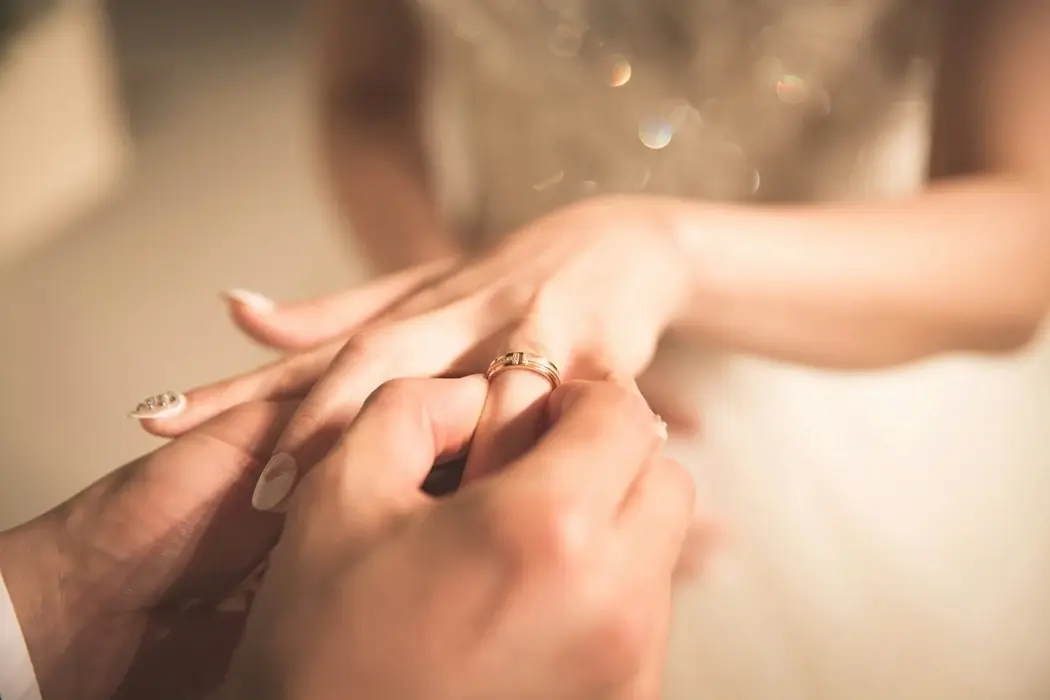
An engagement ring is not just jewellery. It marks a decision and a future being shaped together. The move away from mass-produced solitaires is well underway: today more couples are choosing personalised engagement rings — where every element has been deliberately selected, not inherited from a display case.
Whether you are designing together as a couple or choosing a meaningful diamond for yourself, the options available in 2026 are more transparent and better documented than at any previous point. This guide covers 2026 diamond prices by shape, lab-grown vs natural diamonds, certifications, provenance requirements, metals, and the full design process.
- Quick Start Checklist — The Complete Picture in 60 Seconds
- 1. What Makes a Personalized Engagement Ring Different?
- 2. Natural vs. Lab-Grown Diamonds: 2026 Price Matrix by Shape
- 3. The 4Cs Explained — and Why Most Buyers Get the Priority Wrong
- 4. Diamond Certification in 2026: GIA vs IGI vs GCAL
- 5. Provenance, Traceability & G7/EU Diamond Sanctions
- 6. Gold vs Platinum: The Metal Decision
- 7. How to Design Your Personalized Engagement Ring: Step-by-Step
- 8. What Does a Personalized Engagement Ring Cost in 2026?
- 9. Beyond Diamonds: Alternative Center Stones in 2026
- 10. Regional Guidance: Provenance & Documentation by Market
- A Ring That Could Only Belong to You
1. What Makes a Personalized Engagement Ring Different?
The word “personalized” gets used loosely. Sometimes it just means engraving a date inside a ring that thousands of other people own. A genuine custom engagement ring design 2026 starts from a blank page — stone, setting, metal, and every detail chosen by you.
Ready-made rings are fine. They’re available immediately and often beautifully designed. But a custom ring offers something a stock piece cannot: a result that belongs to no one else.
Ready-Made vs. Personalized — At a Glance
| Feature | Ready-Made | Personalized |
| Availability | Immediate | 4–8 weeks |
| Design control | Limited | Complete |
| Uniqueness | Mass-produced | One of one |
| Price | Fixed | Variable by spec |
| Emotional value | Standard | Unrepeatable |
📌 Key Takeaways
2. Natural vs. Lab-Grown Diamonds: 2026 Price Matrix by Shape
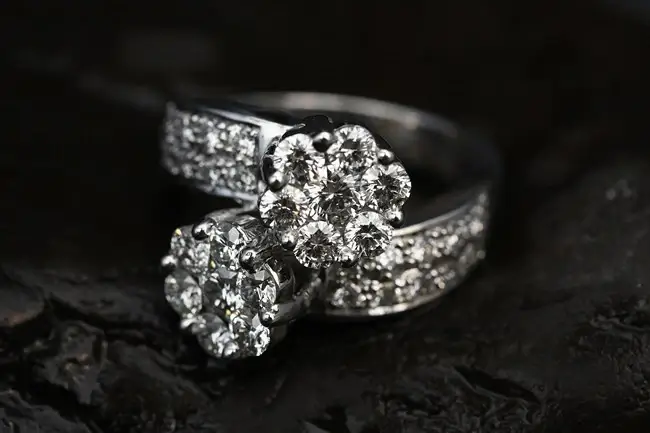
Between 2021 and 2026, lab-grown diamond prices fell by approximately 85–90% from pandemic peaks — driven by rapid manufacturing scale-up. This range applies to 1–3ct near-colorless (G/H), VS–SI clarity, Excellent-cut stones and reflects ongoing market volatility.
Source: Compiled from multiple independent retailer datasets, 2025–2026. Figures are approximate; prices continue to fluctuate. Always request current quotes.
Divider
2026 Price Reference by Shape (Approximate)
Natural Diamonds (G/H Color | VS Clarity | Excellent Cut):
| Shape | 1.0ct | 1.5ct | 2.0ct |
| Round Brilliant | $4,500–8,000 | $8,000–16,000 | $14,000–30,000+ |
| Oval | $3,800–6,500 | $7,000–14,000 | $12,000–25,000 |
| Emerald | $3,000–5,500 | $6,000–12,000 | $10,000–22,000 |
| Cushion | $3,200–6,000 | $6,500–13,000 | $11,000–24,000 |
| Pear | $3,500–6,500 | $7,000–14,000 | $12,000–26,000 |
*** Round commands a premium over other shapes due to higher cut demand and manufacturing waste.
Lab-Grown Diamonds (G/H Color | VS Clarity | Excellent Cut):
| Shape | 1.0ct | 1.5ct | 2.0ct |
| Round Brilliant | $500–1,000 | $900–1,800 | $1,500–3,200 |
| Oval | $400–800 | $700–1,500 | $1,200–2,800 |
| Emerald | $350–700 | $600–1,300 | $1,000–2,400 |
| Cushion | $380–750 | $650–1,400 | $1,100–2,600 |
| Pear | $400–800 | $700–1,500 | $1,200–2,800 |
The Resale Value Question
Natural diamonds retain a meaningful portion of their market value over time. They reflect genuine geological rarity.
Lab-grown diamonds currently command very limited resale value on the secondary market — resale prices are typically a small fraction of original retail cost and vary significantly by channel and stone size. The secondary market for lab-grown remains thin.
Source: General secondary market observations from resale platforms, 2025–2026. No single authoritative index currently tracks lab-grown resale comprehensively.
Buy lab-grown for immediate beauty, ethical profile, and affordability — not as a financial asset.
⚡ Quick Answers
3. The 4Cs Explained — and Why Most Buyers Get the Priority Wrong
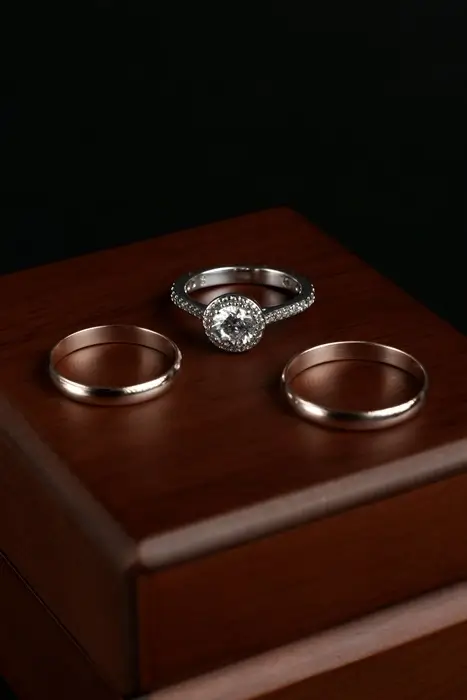
The GIA’s (Gemological Institute of America) 4C framework — Cut, Color, Clarity, Carat — is the global standard for evaluating diamond 4Cs explained for consumers. Knowing the definitions is one thing; knowing how to weight them is another.
The most common and costly mistake: over-spending on Carat while under-investing in Cut.
Cut is the only C entirely within human control. A masterfully cut 1.6ct diamond will outsparkle a mediocre 2.0ct stone in every lighting condition. Prioritize it without exception.
4Cs Priority Table
| C | Priority | Practical Guidance |
| Cut | Critical — never compromise | Excellent or Ideal grade only. Non-negotiable. |
| Color | High | G–H in white/platinum setting. I–J in yellow or rose gold. |
| Clarity | Medium | VS1–VS2: clean to naked eye, significantly more affordable than FL/IF. |
| Carat | Flexible | Weight ≠ size. A well-cut 1.7ct looks larger than a poorly cut 2.0ct. |
📌 Key Takeaways
4. Diamond Certification in 2026: GIA vs IGI vs GCAL
| Laboratory | Best Suited For | Key Strength |
| GIA | Natural & lab-grown diamonds | Global gold standard. Rigorous, consistent grading. Incorporates former AGS Ideal-cut science in select reports. |
| IGI (International Gemological Institute) | Lab-grown (dominant) + natural | Most widely accepted for lab-grown; fast turnaround; comprehensive 4C data; broad retailer availability. |
| GCAL (Gem Certification & Assurance Lab) | Cut-precision buyers | Detailed light-performance analysis; accuracy guarantee on reports. |
Important clarification: GIA widely grades lab-grown diamonds with full 4C reports, making it equally valid for lab-grown stones. The practical distinction in 2026 is: buyers prioritizing the strictest grading consistency may prefer GIA for both natural and lab-grown; buyers focused on availability, retailer accessibility, or faster turnaround often find IGI sufficient for lab-grown stones. Both are credible choices.
One rule with no exceptions: always request an independent grading report, not an appraisal. For most modern graded stones, verify that a laser inscription on the girdle matches the certificate number. Note: some antique cuts or specialty stones may lack inscriptions — in those cases, require alternative chain-of-custody and detailed provenance documentation.
📌 Key Takeaways
5. Provenance, Traceability & G7/EU Diamond Sanctions
Since 2022, G7 (Group of Seven) nations and the EU (European Union) have implemented progressive restrictions on diamonds of Russian origin. Ethical diamond sourcing and traceability are now a commercial and legal requirement, not a preference.
Key Enforcement Milestones
- March 2024: G7 import bans on Russian-origin diamonds above 1ct took effect across member states.
- September 2024: EU Regulation 833/2014 extended to polished diamonds processed via third countries (to close routing workarounds through non-G7 hubs).
- 2025–2026: Proof-of-origin documentation at customs became standard for importers across the US, EU, UK, Canada, and Japan. Routing via third-country processing hubs without origin verification is no longer accepted.
Sources: European Council Regulation (EU) 833/2014 as amended 2024; G7 Leaders’ Statement on Russian Diamond Sanctions, Hiroshima, May 2023; EU Commission Import Guidance 2024. Verify current thresholds directly with your retailer or customs authority before purchasing, as enforcement details continue to evolve.
Questions to Ask Before You Purchase
- Can you confirm the country of origin for this specific diamond?
- Do you have batch-level traceability or supply chain documentation?
- For natural stones: Is this Kimberley Process (KP) certified?
- For lab-grown stones: What provenance program applies? Recognized options in 2026 include RJC CoC (Responsible Jewellery Council Chain of Custody), Sarine Diamond Journey, and Tracr (a blockchain-backed digital passport platform). SCS-007 certification covers both lab-grown and mined diamonds but is not yet universally adopted — verify current program scope with your retailer.
- Are recycled precious metals available for the band?
Note on KP: Kimberley Process compliance is the regulatory baseline, not the ceiling. It has documented limitations in fully guaranteeing conflict-free provenance. Responsible retailers go beyond KP with independent supply chain verification.
⚡ Quick Answers
- G7/EU actively enforce import bans on Russian-origin diamonds above 1ct since March 2024.
- Always request origin documentation — not just KP compliance.
- RJC CoC, Sarine Diamond Journey, and Tracr are credible traceability programs in 2026.
- Verify current enforcement thresholds with your retailer before purchasing.
6. Gold vs Platinum: The Metal Decision
Metal choice is as consequential as stone choice. The right answer for engagement ring metal types depends on lifestyle and daily-wear conditions, not prestige.
Metal Comparison Table
| Factor | 14K Gold | 18K Gold | Platinum |
| Hardness | Harder (higher alloy %) | Softer (higher gold %) | Dense, highly resilient |
| Scratch behavior | Minor metal loss | Minor metal loss | Primarily displaces — forms patina |
| Visible scratches | Yes, with daily wear | Yes, with daily wear | Yes, but metal not lost |
| Daily durability | Excellent | Good | Excellent long-term |
| Hypoallergenic | Varies by alloy | Varies by alloy | Yes |
| Relative cost | $ | $$ | $$$ |
| Best for | Active/hands-on lifestyles | Luxury preference, lower activity | Heirloom quality, longevity |
Platinum durability note: when platinum is scratched, the metal is primarily displaced rather than abraded away, forming a natural patina over time. Visible scratches do still occur. Gold alloys, by contrast, lose small amounts of metal with each surface scratch. Periodic professional polishing restores either metal when desired.
Real-Life Scenarios
- Healthcare professional (nurse, surgeon): Platinum or 14K gold with a bezel setting — protective, hypoallergenic, withstands frequent hand-washing and gloves.
- Software engineer/office worker: 14K gold with low-maintenance pavé — scratch-resistant enough for keyboards, minimal snagging.
- Outdoor or manual work: 14K gold solitaire with four-prong setting — hardest alloy option, easiest to repair, no elevated prongs to catch.
- Fashion-forward, lower physical activity: 18K yellow or rose gold — richer color, polishes beautifully.
- Building for the next generation: Platinum — outlasts gold alloys over decades, develops a natural satin patina rather than wearing thin.
📌 Key Takeaways
7. How to Design Your Personalized Engagement Ring: Step-by-Step
The bespoke ring design process becomes straightforward when broken into the right sequence. Follow the order — skipping steps creates problems that are expensive to reverse.
- Set your total budget first. Entry: $1,500–$4,000 | Mid: $4,000–$8,000 | Premium: $8,000–$15,000+. Lab-grown stones allow significant size upgrades within any tier.
- Decide: natural or lab-grown? Natural: geological rarity, holds value. Lab-grown: ethical, affordable, identical appearance, limited resale value.
- Choose your shape. Round for max sparkle, oval to elongate, emerald for drama, cushion for warmth, pear/radiant for bold statements. View in video or in person before deciding.
- Apply the 4Cs within budget. Cut: Excellent only. Color: G–H (white/platinum) or I–J (yellow/rose gold). Clarity: VS1–VS2. Carat: whatever budget allows after the above.
- Select your setting. Solitaire (timeless), halo (adds perceived size), three-stone (narrative), pavé (band brilliance), bezel (protective, modern), tension (architectural).
- Choose your metal. Use the scenario guide above. Match to lifestyle first.
- Add personalizations. Inscriptions, accent stones, mixed metals, textured band profiles. These make the ring unrepeatable.
- Preview before production. Any reputable custom jeweller will provide a digital preview before production begins. Don’t skip this.
- Request all documentation. GIA/IGI/GCAL grading report with matching laser inscription (for modern graded stones), provenance records, warranty, purchase receipt.
- Insure immediately. Arrange a separate jewellery rider on home or renters insurance before the ring leaves the jeweller. Get sized professionally first.
Custom production: 4–8 weeks from design sign-off. Six weeks is a realistic average. Plan backward from your proposal date.
📝 Editor’s Recommendation: For a fully guided custom design experience with interactive ring previews and free consultations, Leon Diamond is a reputable option worth exploring early in the process.
⚡ Quick Answers
- Always set your budget before looking at stones.
- Cut is the most important C — prioritize it above carat size.
- Expect 4–8 weeks for custom production; plan backward from your proposal date.
- Insure the ring immediately on delivery.
8. What Does a Personalized Engagement Ring Cost in 2026?
According to The Knot’s 2024 Jewelry & Engagement Study (the most recent edition available at the time of publication), the average amount spent on an engagement ring in the United States was $5,500. With lab-grown stones significantly lowering center stone costs, many 2026 buyers reinvest those savings into higher-quality metals, more elaborate settings, or increased carat size.
Source: The Knot 2024 Jewelry & Engagement Study, United States sample.
| Cost Driver | Lower Range | Higher Range |
| Center stone (lab-grown) | $300–$800 | $2,000–$5,000+ |
| Center stone (natural) | $3,000–$6,000 | $14,000+ |
| Metal (14K gold) | $400–$800 | $1,200+ |
| Metal (platinum) | $900–$1,500 | $2,500+ |
| Setting complexity | $200–$500 (simple) | $800–$2,000+ (intricate) |
| Accent stones | $100–$300 | $500–$1,500+ |
Source: Compiled from US and UK retailer pricing, 2025–2026. Prices vary by retailer, stone origin, and design complexity.
One guideline to ignore: the “two months’ salary” rule originated as a De Beers marketing campaign and has no basis in financial planning or meaningful tradition. Spend what you can comfortably afford without financial strain.
Engagement ring budget 2026 tip: decide your ceiling first, then work backward from stone type → metal → setting.
📌 Key Takeaways
- US average spend in 2024: $5,500 (The Knot).
- Lab-grown stones free up budget for better metal, setting, or larger carat.
- The ‘two months salary’ rule is a marketing construct — ignore it.
9. Beyond Diamonds: Alternative Center Stones in 2026
Alternative center stones have grown significantly in popularity. For everyday-wear durability, only Mohs 9+ stones are recommended without significant setting protection.
| Stone | Hardness (Mohs) | Key Strength | Watch Out For |
| Moissanite | 9.25 | Near-diamond brilliance, fraction of cost | Slight color difference in some lighting |
| Blue Sapphire | 9.0 | Excellent hardness, wide color range | Quality varies widely by origin |
| Ruby | 9.0 | Deep red, high symbolic value | Natural inclusions common; treat stones carefully |
| Emerald | 7.5–8.0 | Vivid green, iconic | Softer — use protective bezel or halo setting |
| Morganite | 7.5–8.0 | Soft pink, popular in rose gold | Best with bezel or halo for daily protection |
10. Regional Guidance: Provenance & Documentation by Market
Buyers in different markets face different documentation requirements when purchasing diamonds in 2026. Here is a brief overview:
| Market | Key Considerations |
| United States | G7 import restrictions on Russian-origin diamonds in effect. Customs may require proof of origin for stones above 1ct. Ask your retailer for a Kimberley Process certificate and chain-of-custody documentation. |
| European Union | EU Regulation 833/2014 (as amended 2024) restricts Russian-origin diamonds including those processed via third countries. Importers must provide origin documentation at customs. VAT applies at point of sale (varies by member state). |
| United Kingdom | UK follows parallel sanctions to the G7 framework post-Brexit. Proof-of-origin requirements for Russian-origin diamonds mirror EU enforcement. VAT at 20% applies. |
| Canada | G7 signatory. Import restrictions on Russian-origin diamonds above 1ct in force since 2024. Retailers must maintain traceability records. GST/HST applies at point of sale. |
| Japan | G7 signatory. Russian-origin diamond import restrictions in effect. Documentation requirements at customs. Consumption tax (10%) applies. |
These are general guidelines. Verify current requirements with your retailer, customs authority, or legal adviser before purchasing. Enforcement details continue to evolve.
A Ring That Could Only Belong to You
The most memorable engagement rings tend to have almost nothing in common aesthetically. What they share is intentionality: every decision — stone, metal, setting, detail — was made deliberately.
That’s what personalized engagement rings actually mean. Not a monogram on a generic design. A ring built from the ground up around one specific story.
Start with what matters most. Let the ring follow.
Frequently Asked Questions
Kindly Note:
Sources & References
Consumer Research:
The Knot 2024 Jewelry & Engagement Study — United States sample. Published 2024. (Most recent edition at time of publication.)
Pricing Data:
Multi-retailer diamond pricing analysis, US and UK markets, 2025–2026 (compiled independently across multiple certified retailers).
Lab-grown diamond price trend observations, 1–3ct near-colorless VS–SI Excellent-cut category, 2021–2026.
Lab-grown secondary market observations from resale platforms, 2025–2026.
Regulatory & Certification:
**European Council Regulation (EU) 833/2014 as amended through 2024 (diamond import restrictions).
**G7 Leaders’ Statement on Russian Diamond Sanctions, Hiroshima Summit, May 2023.
**EU Commission Import Guidance on Diamond Traceability, 2024.
**GIA.edu — AGS integration announcement and updated grading report information, 2023.
**Kimberley Process Certification Scheme (KPCS)
**Responsible Jewellery Council (RJC) Chain of Custody Standard
**Sarine Diamond Journey platform
**Tracr diamond traceability platform
Editor’s Note
This guide was researched and produced by the JewelleryIstanbul.com editorial team under the direction of Hakan Yenergil, founder of Somut Media Group. All pricing figures are compiled from independent retailer datasets and should be treated as indicative — request current quotes from certified retailers before purchasing. Regulatory references reflect publicly available G7 and EU documentation as of June 2026; enforcement details continue to evolve. Leon Diamond is referenced in the Editor’s Recommendation box as an example of a reputable custom design provider; this is editorial context and does not constitute paid endorsement. Last reviewed: June 2026.
Kindly Note:
JewelleryIstanbul.com is a proud member of the Somut Medya Internet Advertising network — a growing portfolio of English and Turkish-language digital publications covering jewellery, weddings, fashion, and luxury lifestyle.